INCIAlcohol Denat. (2) — high — estimated 30–50% by INCI position; drying and barrier-disrupting with chronic daily use, can raise TEWL
INCIVitis Vinifera (Grape) Fruit Water (3) — marketing-led; antioxidant delivery to skin unproven at in-product levels in an evaporating mist
INCIBenzyl Benzoate (4) — EU Annex III declarable fragrance allergen
MATHConcentrations are undisclosed; estimates are read off INCI ordering only. Alcohol Denat. sits at position #2 directly after water, consistent with an estimated 30–50% — high enough to dominate the sensory profile (cooling rush, transient surface tightening, fast-dry finish) and the drying behavior. Grape Fruit Water at #3 is plausibly 5–20%. The seven fragrance allergens (positions #4–#10) appearing above all the named botanicals means the essential-oil/fragrance load outranks the 'active' extracts (rosemary #11 onward sit at trace, likely <1% each). No pH is disclosed and no pH-dependent active (acid exfoliant, buffered system) is present, so pH math is non-determinative here — there is no pH-gated mechanism to validate. Net: the formula's mechanical story is volatile-solvent evaporation, not concentration-driven biochemistry.
CITEbrand official product page (brand-run/self-reported) · brand marketing copy (self-reported)
CONSDermatology reads on this are consistent: pleasant, largely harmless for normal/combination skin, and not a therapeutic step. The pore-tightening and glow are real but transient — alcohol evaporating off the surface, not a structural change — and they fade within hours. There are no humectants or barrier lipids to balance the high alcohol load, and the seven EU-listed fragrance allergens are a genuine sensitization consideration with daily long-term use. The grape-polyphenol antioxidant angle is plausible in theory but unproven at the levels and contact time of a spray-and-evaporate mist. Bottom line from the derm side: a luxury sensory product, fine as a midday refresh or pre-makeup spritz for non-reactive skin, not advisable for sensitive, rosacea-prone, or eczema-prone skin.
▰ THE MARKETINGCULT-CLASSIC FACIAL MIST; TIKTOK GLOW-SPRAY TRENDPEEL ⌟
OVERPRICED
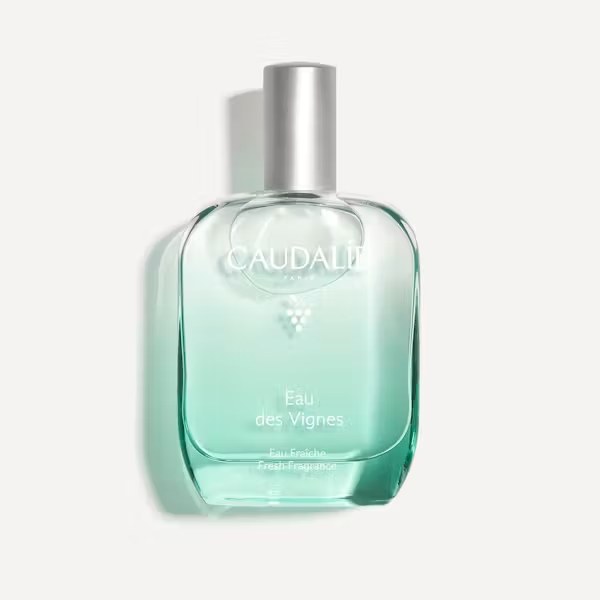
Caudalie earns the cult-mist romance: the cooling hit, herbal-citrus scent, and quick glassy finish are real. The problem is what creates it. Alcohol sits right after water, so the glow is mostly fast evaporation and surface tightening, not lasting skin conditioning. There are no meaningful humectants, barrier lipids, or makeup-setting film-formers to justify $49 per 100 mL, and the fragrance-allergen stack is not friendly to reactive skin, especially daily. Fine as a sensory ritual; overpriced as skincare. Buy it for the mood, not the science.
BUY NOTHING — SAVE YOUR MONEY
The benefit here is a transient sensory refresh, not lasting skin conditioning, so nothing is essential to buy. If you specifically want the spritz ritual, a simple alcohol-free botanical face mist (e.g., a rosewater-type facial spray in the ~$12 range) delivers comparable cooling refresh and subtle glow with a lighter fragrance-allergen load — gentler for reactive skin and far cheaper per ounce. No verified affiliate link is plumbed for an alternative, so we're not steering you to one.
DISCLOSURE · Independent assessment based on the product's published INCI, brand marketing, and dermatology guidance. No affiliate link is attached to this verdict and no brand sponsored it. Sensory effects are described as observed; skin-benefit claims are evaluated against the formula. If you have a known fragrance allergy or reactive skin, patch test first. This high-risk verdict is held for human review before publish.